

Biological physics is a discipline that focuses on the physics problems presented by biological systems. It uses physics to gain new insights into biological problems. This interdisciplinary major, administered by the physics department, is intended to prepare students for study in areas of the life sciences and health professions that are increasingly technical. Examples include cell biology, neuroscience, and medical research.
Biological Physics Snapshot
- The intense, interdisciplinary laboratory curriculum is designed to prepare students to participate in meaningful research early in their studies.
- As part of the curriculum, students complete a two-semester independent research project in which they work with a faculty member to investigate a topic of relevant to their scientific or career interests.
- Transferable skills propel students to take advantage of international research internships in cutting-edge scientific and engineering fields.
- Careers in medicine, including veterinary medicine (DVM) and combined MD/PhD programs
- Research at the intersections of biology, chemistry, physics, medicine, and engineering
Beyond the Classroom
Students have a wide array of opportunities for research, internships, conferences, and networking beyond the classroom that give them an advantage to prepare for life after W&J.
Biological Physics Faculty
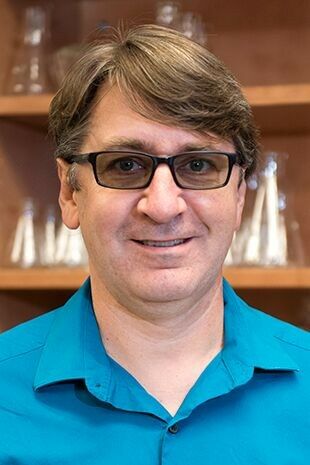
Ronald Bayline, Ph.D.
Professor of Biology
Sara Chamberlin, Ph.D.
Assistant Professor of Physics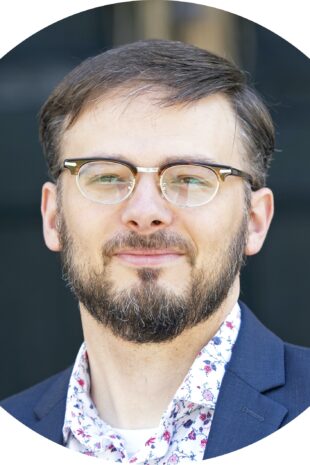
Cory Christenson, Ph.D.
Associate Professor and Chair of Physics
Michael McCracken, Ph.D.
Professor of Physics; Associate Dean for Academic Affairs, Faculty Support; Coordinator of Engineering Dual-degree Program
William Sheers, Ph.D.
Professor of PhysicsBiological Physics Events
More content coming soon! See our <a href="/events/">full event calendar</a> for more events.